Buy isooko.eu ?
We are moving the project
isooko.eu .
Are you interested in purchasing the domain
isooko.eu ?
domain@kv-gmbh.de · 0541-91531010
Buy isooko.eu ?
At what salinity is water drinkable?
Water is considered drinkable when it has a salinity level of less than 500 mg/L (milligrams per liter). This level of salinity is generally safe for human consumption and does not pose any health risks. Water with higher salinity levels may taste salty and can have a laxative effect if consumed in large quantities. **
At what salinity level is water drinkable?
Water is considered drinkable when it has a salinity level of less than 500 mg/L (milligrams per liter). This level of salinity is considered safe for human consumption and does not pose any health risks. Higher levels of salinity can make water taste salty and can have negative effects on the body if consumed in large quantities. **

Similar search terms for Salinity
Top-Angebote
Products related to Salinity:
-
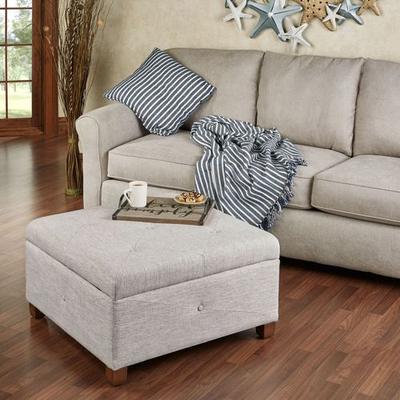
Jla Home/Furniture & Decor Caroline Storage Ottoman Tan , TanThe versatile Caroline Tan Storage Ottoman offers good looks, utility, and function. This wooden ottoman is beautifully covered in a tufted, heathered tan polyester fabric and is perfect in your living space. The cushioned top is great for sitting...289,00 $*Shipping: 0,00 $Secure redirect to the provider
-
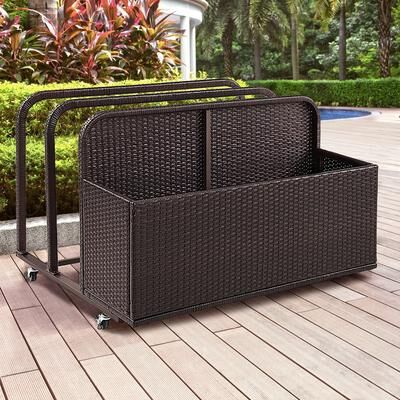
Crosley Furniture Crosley Palm Harbor Wicker Outdoor Storage Pool CaddyKeep your poolside fun organized with the Palm Harbor Outdoor Storage Caddy. Made from all-weather resin wicker over powder-coated steel, this outdoor storage box has casters that lock for stability.199,07 $*Shipping: 0,00 $Secure redirect to the provider
-
Crosley Furniture Crosley Palm Harbor Wicker Outdoor Storage Towel ValetThe Palm Harbor Towel Valet offers resort-style poolside amenities. Featuring a powder-coated steel frame covered in all-weather resin wicker, the towel caddy keeps dry towels close at hand for guests.312,25 $*Shipping: 0,00 $Secure redirect to the provider


-
Why do oceans have different levels of salinity?
Oceans have different levels of salinity due to a variety of factors. One major factor is the amount of freshwater input from rivers, precipitation, and melting ice. Areas with high freshwater input tend to have lower salinity levels, while areas with high evaporation rates and limited freshwater input have higher salinity levels. Additionally, ocean currents can also play a role in distributing and mixing saltwater, leading to variations in salinity levels across different regions of the ocean. Finally, the temperature of the water can also affect salinity, as warmer water can hold more salt than colder water. **
-
Could very many artificial freshwater lakes possibly have an impact on the salinity of the seas?
Yes, the creation of very many artificial freshwater lakes could potentially have an impact on the salinity of the seas. This is because the water that would have otherwise flowed into the sea is being diverted to these lakes, reducing the amount of freshwater entering the sea. As a result, the salinity of the sea could increase due to the imbalance in the water cycle. Additionally, the reduced freshwater flow into the sea could also impact the ecosystems and marine life that rely on a certain level of salinity for survival. **
-
Can the expansion of seawater desalination plants meet the freshwater needs of humanity and simultaneously increase the salinity concentration of seawater?
While seawater desalination plants can help meet the freshwater needs of humanity, their expansion can also lead to an increase in the salinity concentration of seawater. This is because the process of desalination removes freshwater from seawater, leaving behind a more concentrated brine that is often discharged back into the ocean. If not properly managed, this discharge can contribute to the overall salinization of seawater. Therefore, it is important to consider the environmental impacts and sustainability of seawater desalination projects to ensure they do not exacerbate salinity issues in the long term. **
-
How do you connect the outdoor lighting?
To connect outdoor lighting, you will first need to plan the layout and design of your lighting system. Next, you will need to run electrical wiring from a power source to each light fixture, making sure to bury the wiring at the appropriate depth and use waterproof connectors. Once the wiring is in place, you can then connect each light fixture to the wiring, following the manufacturer's instructions for installation. Finally, you will need to test the system to ensure that all the lights are working properly and make any necessary adjustments. It's important to follow all local building codes and safety guidelines when connecting outdoor lighting. **

How does a timer for outdoor lighting work?
A timer for outdoor lighting works by allowing you to set specific times for your outdoor lights to turn on and off automatically. You can program the timer to turn the lights on at dusk and off at dawn, or set a custom schedule based on your preferences. The timer is typically connected to the outdoor lighting system and controls the flow of electricity to the lights based on the programmed schedule. This helps save energy and ensures that your outdoor lights are only on when needed. **
Why is the outdoor lighting not working anymore?
The outdoor lighting may not be working anymore due to a variety of reasons such as a blown fuse, a tripped circuit breaker, a faulty light bulb, or a problem with the wiring. It is also possible that there is an issue with the timer or the light sensor. It would be best to check each component systematically to identify and address the specific cause of the malfunction. **
Top-Angebote
Products related to Salinity:
-
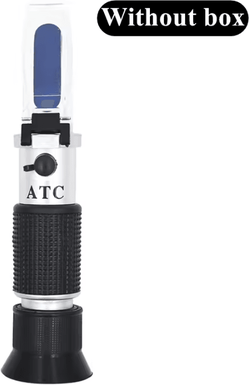
Inspire Curations Handheld Salinity Refractometer For Saltwater Aquariums without BoxMonitor saltwater conditions with confidence using this salinity refractometer designed for quick and convenient liquid testing. Its dualscale measurement allows users to check salinity from 0100 and specific gravity from 1.0001.070 SG, making...100,50 $*Shipping: 0,00 $Secure redirect to the provider
-
Jla Home/Furniture & Decor Caymus Storage Bench Gray , GrayThe Caymus Storage Bench offers a chic simplicity designed by Martha Stewart. With natural-finished wood legs, the bench features a wide upholstered design in light gray woven polyester with piped accents. The 3.25 thick, foam-filled cushion also...299,99 $*Shipping: 0,00 $Secure redirect to the provider
-
Jla Home/Furniture & Decor Caroline Storage Ottoman Tan , TanThe versatile Caroline Tan Storage Ottoman offers good looks, utility, and function. This wooden ottoman is beautifully covered in a tufted, heathered tan polyester fabric and is perfect in your living space. The cushioned top is great for sitting...289,00 $*Shipping: 0,00 $Secure redirect to the provider
-
Crosley Furniture Crosley Palm Harbor Wicker Outdoor Storage Pool CaddyKeep your poolside fun organized with the Palm Harbor Outdoor Storage Caddy. Made from all-weather resin wicker over powder-coated steel, this outdoor storage box has casters that lock for stability.199,07 $*Shipping: 0,00 $Secure redirect to the provider
-
At what salinity is water drinkable?
Water is considered drinkable when it has a salinity level of less than 500 mg/L (milligrams per liter). This level of salinity is generally safe for human consumption and does not pose any health risks. Water with higher salinity levels may taste salty and can have a laxative effect if consumed in large quantities. **
-
At what salinity level is water drinkable?
Water is considered drinkable when it has a salinity level of less than 500 mg/L (milligrams per liter). This level of salinity is considered safe for human consumption and does not pose any health risks. Higher levels of salinity can make water taste salty and can have negative effects on the body if consumed in large quantities. **
-
Why do oceans have different levels of salinity?
Oceans have different levels of salinity due to a variety of factors. One major factor is the amount of freshwater input from rivers, precipitation, and melting ice. Areas with high freshwater input tend to have lower salinity levels, while areas with high evaporation rates and limited freshwater input have higher salinity levels. Additionally, ocean currents can also play a role in distributing and mixing saltwater, leading to variations in salinity levels across different regions of the ocean. Finally, the temperature of the water can also affect salinity, as warmer water can hold more salt than colder water. **
-
Could very many artificial freshwater lakes possibly have an impact on the salinity of the seas?
Yes, the creation of very many artificial freshwater lakes could potentially have an impact on the salinity of the seas. This is because the water that would have otherwise flowed into the sea is being diverted to these lakes, reducing the amount of freshwater entering the sea. As a result, the salinity of the sea could increase due to the imbalance in the water cycle. Additionally, the reduced freshwater flow into the sea could also impact the ecosystems and marine life that rely on a certain level of salinity for survival. **
Similar search terms for Salinity
-
Crosley Furniture Crosley Palm Harbor Wicker Outdoor Storage Towel ValetThe Palm Harbor Towel Valet offers resort-style poolside amenities. Featuring a powder-coated steel frame covered in all-weather resin wicker, the towel caddy keeps dry towels close at hand for guests.312,25 $*Shipping: 0,00 $Secure redirect to the provider
-
Jla Home/Furniture & Decor Caroline Storage Ottoman Blue Shadow , Blue ShadowThe versatile Caroline Blue Shadow Storage Ottoman offers good looks, utility, and function. This wooden ottoman is beautifully covered in a tufted, heathered blue shadow polyester fabric and is perfect in your living space. The cushioned top is...289,00 $*Shipping: 0,00 $Secure redirect to the provider
-
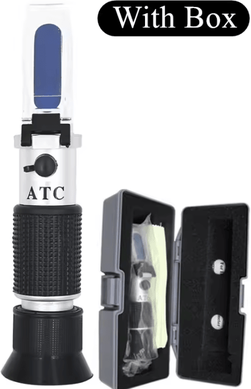
Inspire Curations Handheld Salinity Refractometer For Saltwater Aquariums with BoxMonitor saltwater conditions with confidence using this salinity refractometer designed for quick and convenient liquid testing. Its dualscale measurement allows users to check salinity from 0100 and specific gravity from 1.0001.070 SG, making...133,00 $*Shipping: 0,00 $Secure redirect to the provider
-
Can the expansion of seawater desalination plants meet the freshwater needs of humanity and simultaneously increase the salinity concentration of seawater?
While seawater desalination plants can help meet the freshwater needs of humanity, their expansion can also lead to an increase in the salinity concentration of seawater. This is because the process of desalination removes freshwater from seawater, leaving behind a more concentrated brine that is often discharged back into the ocean. If not properly managed, this discharge can contribute to the overall salinization of seawater. Therefore, it is important to consider the environmental impacts and sustainability of seawater desalination projects to ensure they do not exacerbate salinity issues in the long term. **
-
How do you connect the outdoor lighting?
To connect outdoor lighting, you will first need to plan the layout and design of your lighting system. Next, you will need to run electrical wiring from a power source to each light fixture, making sure to bury the wiring at the appropriate depth and use waterproof connectors. Once the wiring is in place, you can then connect each light fixture to the wiring, following the manufacturer's instructions for installation. Finally, you will need to test the system to ensure that all the lights are working properly and make any necessary adjustments. It's important to follow all local building codes and safety guidelines when connecting outdoor lighting. **
-
How does a timer for outdoor lighting work?
A timer for outdoor lighting works by allowing you to set specific times for your outdoor lights to turn on and off automatically. You can program the timer to turn the lights on at dusk and off at dawn, or set a custom schedule based on your preferences. The timer is typically connected to the outdoor lighting system and controls the flow of electricity to the lights based on the programmed schedule. This helps save energy and ensures that your outdoor lights are only on when needed. **
-
Why is the outdoor lighting not working anymore?
The outdoor lighting may not be working anymore due to a variety of reasons such as a blown fuse, a tripped circuit breaker, a faulty light bulb, or a problem with the wiring. It is also possible that there is an issue with the timer or the light sensor. It would be best to check each component systematically to identify and address the specific cause of the malfunction. **
* All prices are inclusive of VAT and, if applicable, plus shipping costs. The offer information is based on the details provided by the respective shop and is updated through automated processes. Real-time updates do not occur, so deviations can occur in individual cases. ** Note: Parts of this content were created by AI.